Published works
Much of my work occurs under NDA for private clients, but I've had the opportunity to make a number of my solutions publicly available. These works demonstrate my capabilities.
Problem-solving methods:
- Resource Constrained Action Model (RCAM): A problem-solving method designed to attack resource problems from multiple directions. Examples: supply shortages, time constraints, budget limitations, customer attrition.
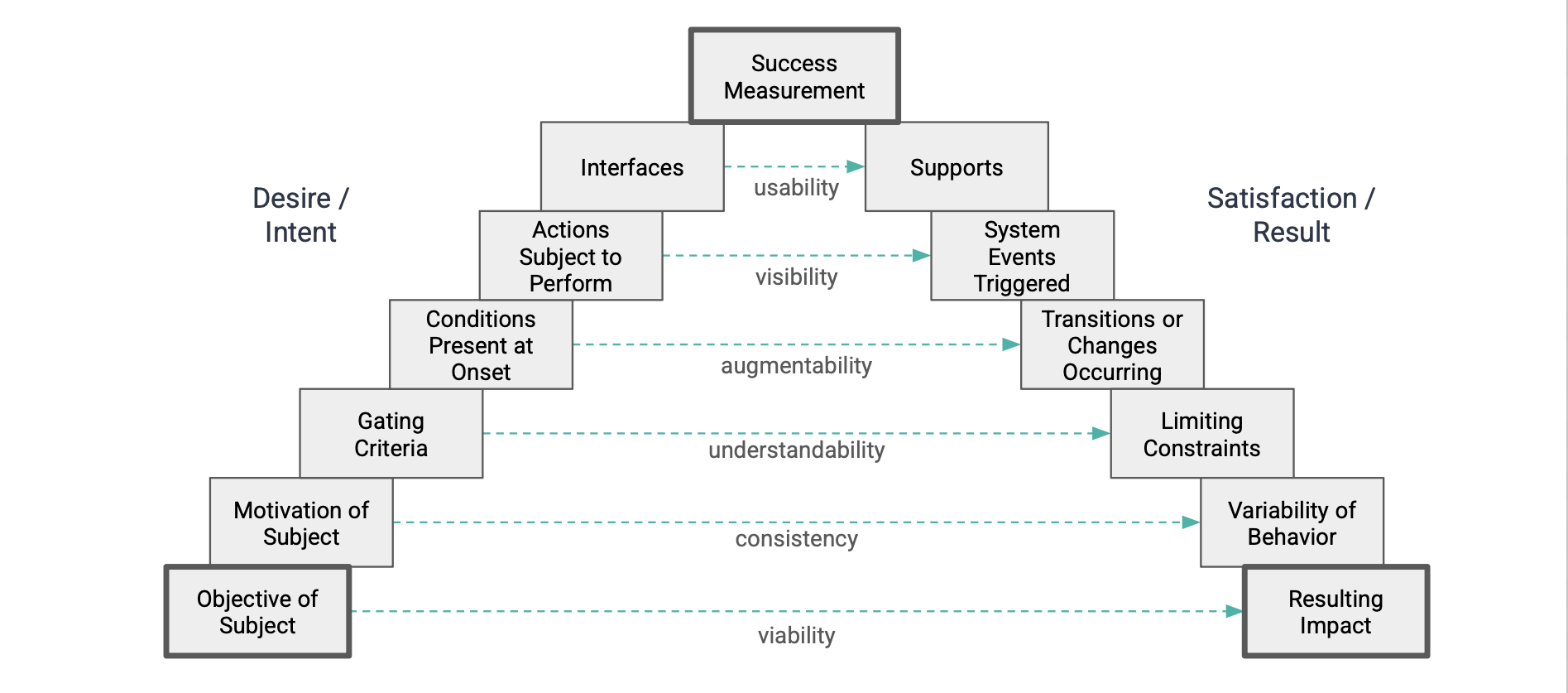
- User Experience Inventory (UXINV): A problem-solving method that compares alignment between user experience and expectations. Examples: improving customer or user experience quality, blocking adversary success, ensuring ally success.
- Event Condition Timeline (ECT): A problem-solving method that provides a structured approach to time mapping, allowing consistency across analytic methods. Examples: process mapping, customer journey mapping, user experience mapping, event timelines.
- Objective Threat Model (OTM): A problem-solving method that emphasizes impacts and outcomes of threats over the technical mechanisms of attack. Examples: technological vulnerabilities, operational impacts, business risks, non-technical threats.
- Time Boundary Model (TBM): A problem-solving method that sets the timing of control implementation to occur before related threat exposure. Examples: individual device users without mobile device management (MDM) or configuration tools, enterprise organizations documenting compliance or rapidly evaluating novel threats.
Problem solutions:
- Download Experience Component Inventory (DLXCI): A method for enumerating components, responsibilities, and risks to help illuminate hidden vulnerabilities, improve user experience, ensure compliance, and guide informed decision-making for designing, implementing, auditing, and optimizing a secure and reliable download supply chain.
To put these methods to work on your problems, get in touch.